
Four attacks, 113 reported dead: Senate demands urgent security action in Benue
News
 Quick Read
The Senate urged the Federal Government, police and military authorities to strengthen security operations, improve intelligence gathering and establish effective early-warning and rapid-response systems to prevent further attacks.
By Nwalie Chiamaka
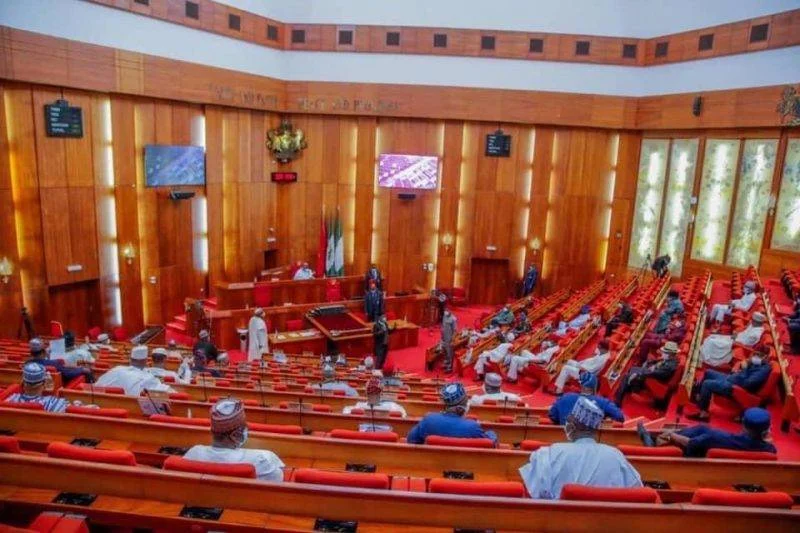
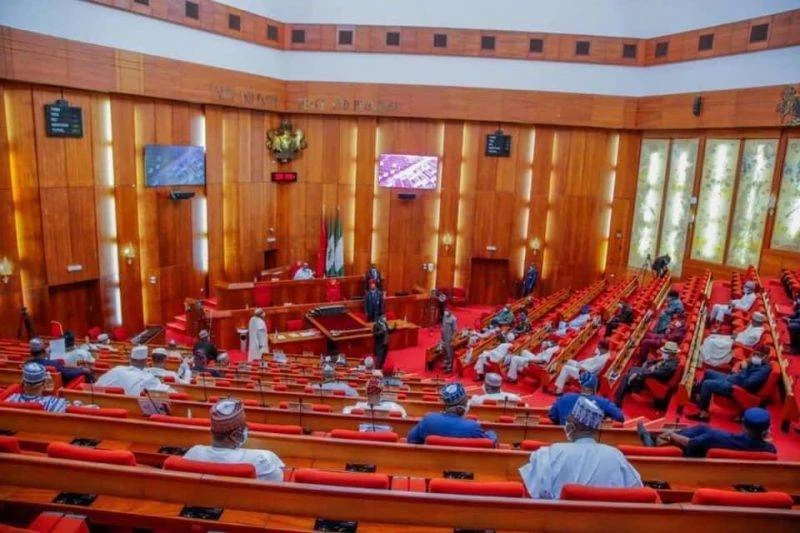
The Nigerian Senate has called for urgent security measures in Benue State following reports that 113 people were killed in four separate attacks on communities, including six Mobile Police officers.
The call followed a motion raised by Senator Emmanuel Udende, representing Benue North-East, who expressed concern over the killings in Katsina-Ala, Ukum and Logo Local Government Areas.
According to the report presented to the Senate, 24 people were killed in Sai community in Katsina-Ala, while 63 others reportedly died in attacks on Bom and Aboajio villages in Ukum. Another 15 people, including six Mobile Police officers, were reportedly killed in Ayilamo, Logo. Eleven additional deaths were reported in attacks on Tse Biliji and Tse Shishi Nyako villages in Ukum on October 8.
The Senate urged the Federal Government, police and military authorities to strengthen security operations, improve intelligence gathering and establish effective early-warning and rapid-response systems to prevent further attacks.
The lawmakers also called for thorough investigations into the killings and the prosecution of those responsible.
In response to the humanitarian impact, the Senate urged the National Emergency Management Agency and the Benue State Emergency Management Agency to provide relief materials and assistance to affected residents who had lost their homes and livelihoods.
Senate President Godswill Akpabio directed the Senate Committee on Security and Intelligence to engage relevant agencies on measures to improve security deployment and protect vulnerable communities.