
Idris Aregbe: Harnessing Lagos tourism for economic prosperity
By Monsurudeen Olowoopejo
Lagos is sitting on a tourism goldmine, but much of its enormous economic potential remains untapped. From its historic communities and royal institutions to its beaches, festivals, culinary heritage, fashion, arts and entertainment industry, the state possesses attractions capable of drawing visitors and generating substantial economic activity. The challenge is turning this rich cultural inheritance into a structured industry that creates lasting prosperity.
For years, tourism has often been treated largely as an extension of entertainment, with attention concentrated on concerts, December festivities and high-profile events. But the industry offers far more than spectacle. Properly developed, it can attract investment, support local businesses, create jobs and position Lagos as a major destination for domestic and international visitors.
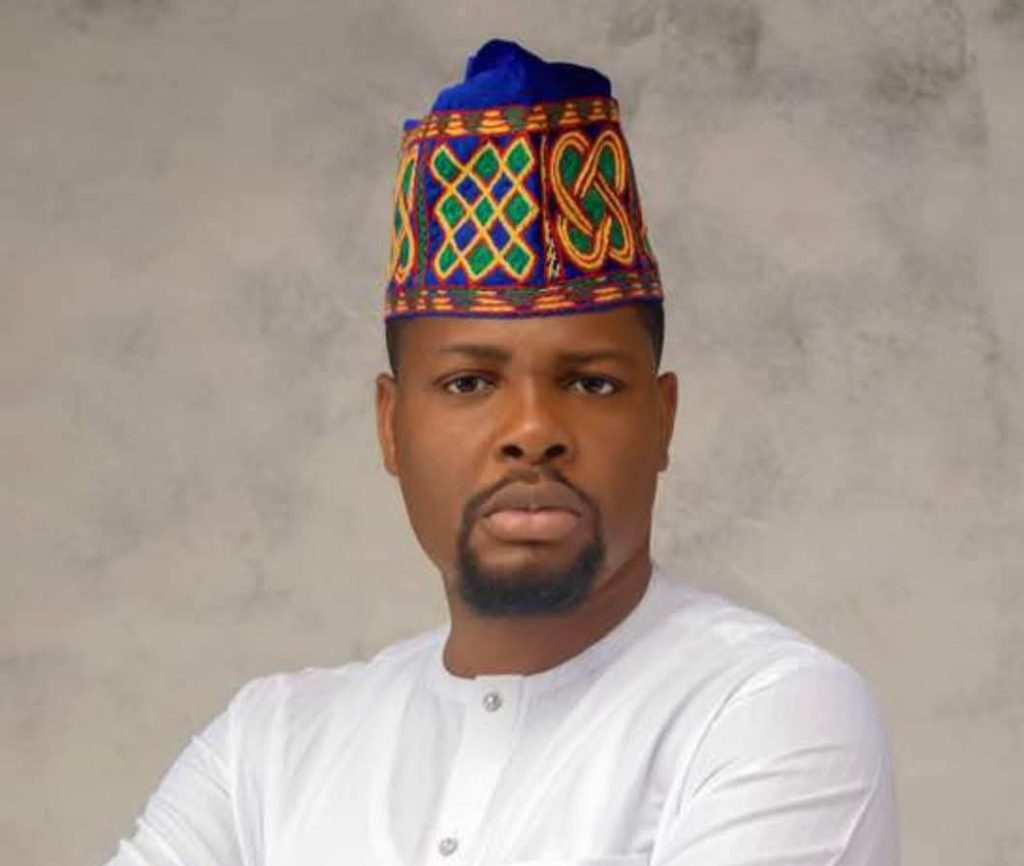
This is the economic opportunity increasingly reflected in the tourism agenda being championed by Idris Aregbe, Special Adviser to Governor Babajide Sanwo-Olu on Tourism, Arts and Culture, under the administration’s THEMES+ development framework.
Aregbe’s desire is to move Lagos tourism beyond occasional celebrations and promotional activities towards a coordinated industry in which cultural assets, creative talents, recreational facilities and community attractions are developed into viable economic resources.
Lagos has the ingredients to become one of Africa’s leading tourism destinations. Its historic communities, traditional festivals, royal institutions, beaches, museums, art galleries, restaurants, fashion industry, entertainment centres and vibrant nightlife offer a rich collection of attractions; but what has been lacking before his appointment by Governor Sanwo-Olu is a leader that organise, develop and promote these assets effectively.
One notable feature of the emerging strategy introduced by Aregbe is connecting tourism with commerce and entrepreneurship. The Lagos Tourism NBC Trade Fair, organised in partnership with Naija Brand Chick, illustrating how the governor’s aide passion create commercial platforms for small businesses, vendors, fashion entrepreneurs, food producers and other creative enterprises to thrive.
The initiative, which has attracted hundreds of vendors and tens of thousands of visitors, demonstrates that tourism events can serve purposes beyond drawing crowds. They can stimulate consumer spending, generate business connections and give entrepreneurs access to markets they might otherwise struggle to reach.
Reported figures from the 2025 edition indicated that the Island event generated more than ₦1 billion in sales. The figure, if sustained, illustrates the commercial possibilities of linking tourism promotion with small-business development.
Equally significant is the effort to extend Lagos’ tourism appeal beyond the December festivities that have established the state as a major entertainment destination. Through the 101 Days in Lagos initiative, the government is seeking to organise its cultural, entertainment, food and leisure offerings into a more structured tourism calendar.
A sustainable tourism industry cannot depend on one festive season. Visitors need compelling reasons to come to Lagos throughout the year. A consistent calendar of activities would provide a more reliable basis for planning by hotels, restaurants, transport operators, event organisers and other hospitality businesses. It could also encourage investors to consider longer-term commitments to the sector.
The emphasis on culinary tourism through the Cook Lagos, Eat Lagos initiative also deserves attention. Food is an important expression of cultural identity, and Lagos has a rich variety of traditional meals, indigenous delicacies and culinary experiences capable of attracting visitors.
Promoting the state’s culinary heritage, Cook Lagos, Eat Lagos initiative, has also helped to strengthen the connection between tourism, agriculture and hospitality, while giving greater visibility to local food producers, caterers and restaurants.
Similarly, the Skill Up Lagos initiative, which Aregbe says has trained more than 1,000 creatives over two years, highlights the importance of developing the human capacity needed to sustain the industry.
A thriving tourism economy requires more than attractive destinations. It needs trained hospitality workers, event managers, tour operators, cultural practitioners and professionals capable of delivering quality experiences. Investment in these skills is essential to building a workforce that can compete in an increasingly demanding tourism market.
Realizing this, the 2026 Gele Festival, through which the Lagos State Government is seeking to transform an important aspect of Yoruba cultural heritage into a platform for skills development and economic empowerment further illustrate this.
Scheduled for Sunday, November 8, the festival goes beyond celebrating the beauty and cultural significance of the traditional headwrap. It seeks to recognise Gele artistry as a specialised creative enterprise, particularly for women and young people.
With a ₦2 million cash prize for the participant who produces the most spectacular headpiece, the festival is designed to reward creativity, encourage innovation and give greater recognition to professional Gele stylists.
More significantly, the state has conducted training programmes for hundreds of young Gele artists in advanced tying techniques, contemporary styling and creative business management.
Aregbe’s explanation of the initiative reflects the thinking behind the cultural tourism agenda: preserving Yoruba traditions while ensuring that people who possess these skills can turn them into viable sources of income. His observation that empowering one woman can positively affect her family and wider community also points to the social value of investing in cultural creativity.
The plan to integrate successful trainees into an official Lagos Creative Database is another important element. By connecting trained stylists with event planners, government functions and international tourism exhibitions, the state hopes to create a more organised market for their services beyond the festival.
This matters because skills acquisition must be accompanied by access to customers. Training without opportunities to secure work can limit the long-term value of empowerment programmes. Linking creative professionals with potential clients offers a practical route from training to professional engagement.
The Gele Festival therefore provides an example of how cultural preservation can be connected to enterprise development and human capital investment.
Another important consideration is the need to spread tourism activities beyond established commercial centres such as Victoria Island, Lekki and Ikoyi. Lagos’ 20 local government areas and 37 Local Council Development Areas possess distinct cultural identities, historical landmarks, traditional institutions and community festivals that could become valuable tourism assets.
Aregbe’s engagement with local government and council development area representatives reflects an effort to broaden participation in the sector. Many of the state’s cultural resources are rooted in communities whose residents should have a stake in their development.
Badagry, Epe, Ikorodu, Lagos Island and Lagos Mainland, among other areas, have histories and attractions that deserve greater visibility. Badagry, for instance, is an important destination for understanding Nigeria’s history and the transatlantic slave trade. Epe has rich cultural traditions, while Ikorodu possesses historical institutions and heritage attractions that could support tourism.
Private investment is equally essential. Government cannot bear the entire financial responsibility for developing every tourism facility, recreational park, hospitality centre and cultural destination. It must create an enabling environment in which credible investors can contribute capital, expertise and innovation.
The partnership around Giwa Gardens illustrates the opportunities that can emerge when government and private operators work together to expand recreational tourism infrastructure.
Ultimately, the success of Aregbe’s tourism drive has been his ability to turn policy ideas and public events into lasting results of sustaining the opportunities created through the events organised across the state.
Lagos has the population, commercial energy, cultural diversity, entertainment industry and international visibility to build a formidable tourism economy. What is required is consistency, effective implementation, accountability and sustained investment.
Aregbe recognizes that the state’s cultural wealth must be converted into economic wealth, which formed his vision to move tourism beyond promising programmes and becomes a sustainable system that creates opportunities across the state.
For Aregbe, the message is very clear under the Sanwo-Olu’s administration, Lagos must not merely entertain the world; it must create wealth from the experience.
-Monsurudeen Olowoopejo is a journalist based in Lagos with over a decade of experience in the media industry.