
EDITORIAL: Nigeria’s unending power nightmare
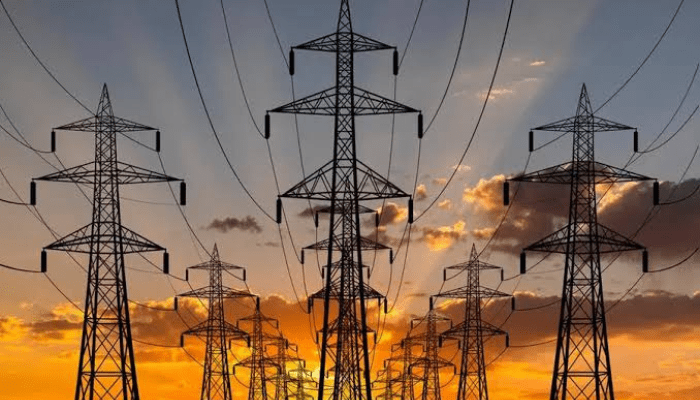
Imagine living in a country where electricity has become a rare luxury, a ghost that appears for barely few minutes before vanishing into thin air. For millions of residents in bustling economic hubs like Lagos and the nation’s capital, Abuja, this is not a distant nightmare, it is an exhausting daily reality. In many parts of the country, the same story is narrated everywhere. Families sit in stifling heat, and business owners stare at dead appliances, wondering if the lights will ever stay on for good.
The situation has grown from a frustrating inconvenience into a full-blown national emergency. Day after day, homes and offices are plunged into darkness. With recent drops in power generation forcing output down to a meagre fraction of national capacity, small business owners-barbers, tailors, cold-room operators, and cybercafé owners, watch their livelihoods slip away. They simply cannot afford the astronomical cost of fueling generators with high-priced petrol and diesel. Even critical locations like hospitals and schools share this bitter cup, forced to rely on noisy, smoke-belching machines just to keep basic operations running.
Whenever citizens cry out for answers, they are met with a painfully familiar cycle of excuses. Regulators and power authorities point fingers at gas shortages, failing infrastructure, low generation output, and persistent system grid collapses. Yet, while the government and distribution companies engage in an endless game of blame-shifting, the ordinary citizen bears the heaviest burden. Electricity tariffs have continued to climb, leaving consumers paying exorbitant amounts for darkness. It is a cruel and draining paradox: paying more while receiving less.
For decades, the story of Nigeria’s power sector has been one of immense potential squandered. Despite boasting thousands of megawatts of installed capacity, the actual power dispatched to homes remains a fraction of what is required. The national grid remains fragile, collapsing under the slightest pressure and throwing the entire country into total chaos. How can a nation aspire to technological growth, industrialization, and economic prosperity when it cannot even guarantee basic electricity to light up its capital city or commercial nerve centre?
This endless darkness is choking the spirit of enterprise that makes Nigerians famous worldwide. Students struggle to read at night, and households battle unbearable heat, all because the light switch is nothing more than a useless decoration on the wall. While many businesses and wealthy households are turning to expensive solar alternatives, this individual survival mode leaves the wider public behind, threatening the viability of public utility networks.
It is time for the government and all critical stakeholders in the power sector to move past endless press statements, technical jargon, and empty apologies. Nigerians do not want grammar; they want light. Addressing this crisis demands an honest, transparent overhaul of the gas-to-power supply chain, aggressive upgrading of dilapidated transmission infrastructure, and holding utility companies strictly accountable for service delivery.
A country cannot power its future with empty promises and dead cables. Lagos, Abuja, and the rest of Nigeria deserve better. The time for permanent solutions is long overdue, because a nation kept in perpetual darkness can never truly rise to shine.