
CNG Adoption: FG targets one million vehicle conversions,
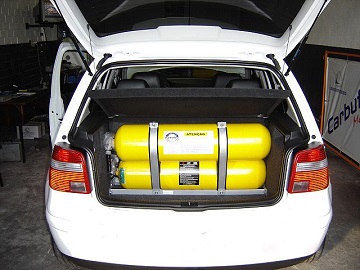
The Federal Government has announced plans to establish 2,500 Compressed Natural Gas (CNG) refuelling stations across Nigeria to encourage more motorists to use the alternative fuel and address the shortage of refuelling facilities.
The plan is part of efforts to expand access to cheaper transportation fuel, reduce transport costs and encourage Nigerians to switch from petrol to CNG.
Head of Gas Supply and Integration at the Presidential Initiative on CNG and Electric Vehicles (Pi-CNG & EV), Engr. Tare Mayor Bright, disclosed this during a town hall meeting in Abuja on Monday.
According to a presentation at the meeting, the government is targeting 2,500 CNG refuelling stations across the 36 states and the Federal Capital Territory.
The programme also aims to convert one million vehicles to CNG, establish 2,000 accredited vehicle conversion centres and train 11,000 technicians across the country.
Nigeria currently has 113 CNG refuelling stations operated by 24 companies across 24 states and the FCT.
However, about half of the existing stations are concentrated in just four cities, leaving many parts of the country with limited access to the fuel.
The presentation also revealed that 127 additional refuelling stations are being planned. These include 118 commercial stations and nine stations on university campuses across 31 states and territories. However, the facilities are yet to begin operations.
Speaking at the meeting, Executive Chairman of Pi-CNG & EV, Ismaeel Ahmed, said expanding the refuelling infrastructure was important to encourage Nigerians to embrace CNG and electric vehicles.
He said Nigerians were willing to consider alternative sources of energy but wanted to be sure they were affordable, accessible and reliable.
Ahmed said the programme was established in 2023 following the removal of the petrol subsidy and had recorded progress in expanding conversion centres, refuelling stations and private sector investment.
He disclosed that private investors had committed about $2.6 billion to Nigeria’s CNG and electric vehicle sector in the last three years.
However, he admitted that the existing facilities were not enough to meet the growing demand, making increased investment necessary.
According to him, the government is working to create a favourable environment for private investors to establish more refuelling stations rather than operate the facilities directly.
Ahmed also said Nigeria had about 250 trillion cubic feet of natural gas reserves, which could support the country’s transition to alternative energy.
He explained that the main goal was to reduce transportation costs and make cheaper fuel options available to Nigerians.
The programme will also focus on making vehicle conversion affordable, ensuring steady gas supply, improving refuelling facilities and building public confidence in CNG.
Ahmed warned that expanding the number of converted vehicles without providing enough refuelling stations could create more difficulties for motorists.
He said the government planned to improve gas supply through pipelines, virtual pipelines and partnerships with private companies and state governments.
He added that Nigerians needed to be confident that CNG would be available whenever they needed it.
According to him, the success of the programme would depend on whether drivers, commuters, small business owners and transport operators could enjoy real savings from the switch to alternative fuel.