
Murtala was murdered for opposing apartheid in South Africa – Fani-Kayode
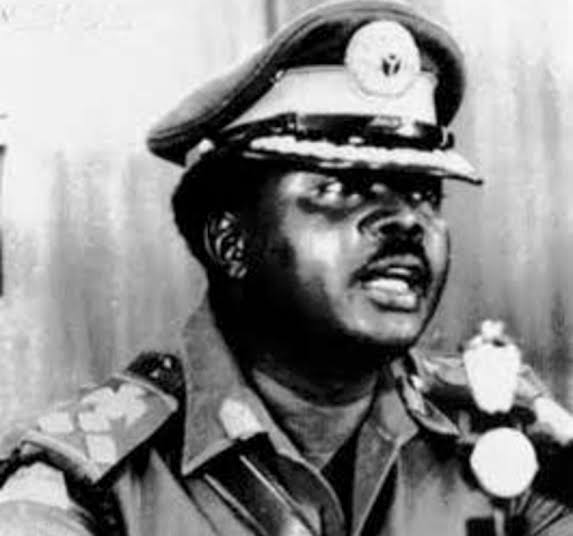
Nigeria’s High Commissioner to South Africa, Femi Fani-Kayode, has claimed that former Head of State, General Murtala Mohammed, was murdered because of his opposition to apartheid and Nigeria’s support for the liberation struggle in South Africa.
Fani-Kayode made the claim while recounting Nigeria’s historical role in the fight against apartheid during a dinner and reception organised in his honour by members of the Nigerian High Commission, Nigerian Consular Office and diplomatic community in Pretoria.
The event followed the presentation of his Letters of Credence to South African President Cyril Ramaphosa on November 13, 2026.
According to him, Ghana’s former leader, Kwame Nkrumah, had previously defied American pressure to stop speaking against apartheid, insisting that African leaders would not take directives from Washington on the matter.
He said the apartheid system subsequently continued with increasing violence, while Nigeria also took a firm position against the discriminatory regime by declaring itself a frontline supporter of the struggle.
Fani-Kayode claimed that Murtala paid the ultimate price for his position, alleging that the former Nigerian leader was murdered about six months after taking the stand, primarily over his opposition to apartheid in South Africa.
He described the sacrifice as one Nigeria made proudly in support of South Africa’s freedom.
“We lost our best for South Africa because we are proud to do so,” he said.
The diplomat also recalled the position of former President Olusegun Obasanjo, who, according to him, maintained that Nigeria had a responsibility to stand against oppression anywhere on the African continent, regardless of the cost.
He said Obasanjo had argued that as long as any African country remained in bondage and any African was subjected to apartheid, Nigeria had a duty to stand up and pay the price for freedom.
Fani-Kayode further disclosed that Nigeria introduced what he described as a ‘Mandela Tax’ on civil servants, with proceeds channelled towards supporting the African National Congress (ANC) in its struggle against apartheid.
He also recounted Nigeria’s support for South African liberation figures, including Nelson Mandela and Thabo Mbeki, saying the country provided accommodation and assistance to several of them during their struggle.
The High Commissioner said Nigeria’s historical relationship with South Africa was therefore built on sacrifices, solidarity and a shared commitment to freedom, rather than merely diplomatic or economic interests.