
RMD expresses view over regulation, creative freedom in Nollywood
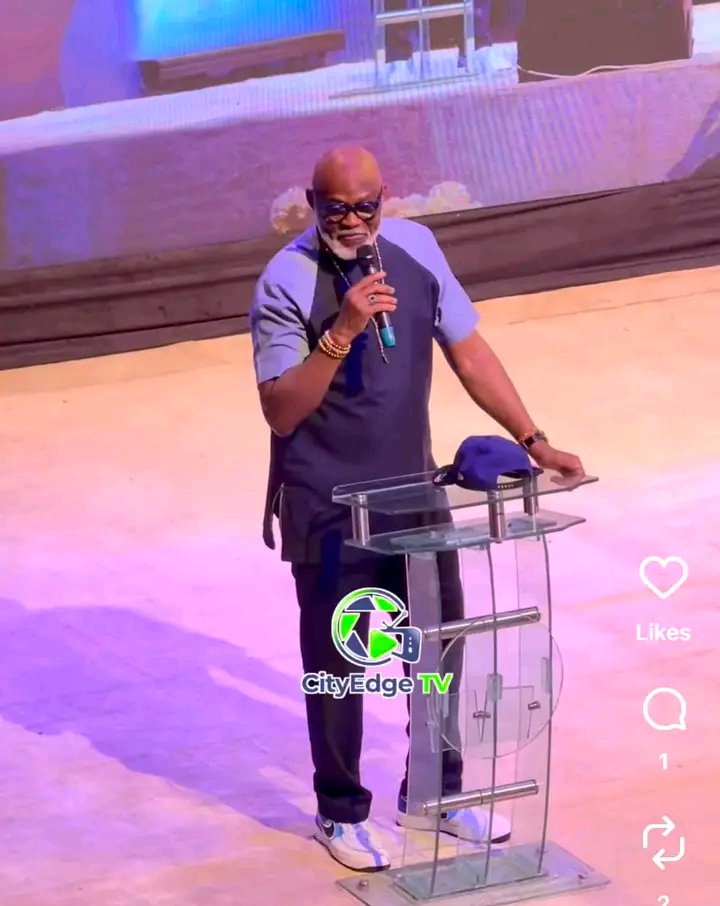
Veteran Nollywood actor and filmmaker, Richard Mofe-Damijo (RMD) has urged regulators to strike a balance between enforcing industry standards and protecting creative freedom in Nigeria’s film and digital content industry.
Mofe-Damijo made the call while delivering the keynote address at the ongoing 6th Peace Anyiam-Osigwe Nigerian Digital Content Regulatory Conference 2026 on Wednesday in Lagos.
The two-day conference was organised by the National Film and Video Censors Board (NFVCB).
The conference is with the theme, ‘Film and Content Production in the Digital Era: Balancing Regulation and Innovation.’
Mofe-Damijo said the rapid growth of digital technology had transformed film production and distribution, creating opportunities for filmmakers to reach global audiences without relying solely on traditional cinema and broadcasting channels.
He, however, warned that the development also presented challenges, including misinformation, piracy, intellectual property violations and the unauthorised use of individuals’ images and voices.
RMD said regulatory frameworks must evolve alongside technological advancements to address emerging challenges without discouraging innovation or limiting filmmakers’ ability to tell stories.
“There is a difference between regulating an industry and restricting its capacity to grow.
“There is also a difference between protecting society and unnecessarily limiting creative expression,” he said.
Mofe-Damijo emphasised that film was not merely entertainment but also a form of cultural expression, documentation and social commentary.
He said filmmakers should be able to explore difficult subjects without fear of unnecessary restrictions.
“Responsible storytelling must not become an excuse for controlling storytelling,” he said.
The actor said classification, clear content guidelines, age-appropriate access and transparent regulatory processes could help protect audiences while respecting the creative rights of practitioners.
Citing questions around intellectual property ownership, distribution rights, royalties and licensing, he expressed concern that Nollywood’s growing international visibility was not translating into sustainable economic returns for content creators.
“Visibility is not the same as value,” he said.
He urged filmmakers to understand contracts, commercial rights and intellectual property to avoid losing the economic benefits of their works.
Speaking on threats to the industry, he said piracy – the unauthorised reproduction and distribution of creative works – weakened their commercial value, discouraged investment and undermined the livelihoods of practitioners.
He called for stronger collaboration among regulators, law enforcement agencies, digital platforms, rights holders and industry associations to address the challenge.
On artificial intelligence, Mofe-Damijo said the technology offered opportunities to improve production workflows, generate visual concepts and reduce production costs, particularly for emerging filmmakers.
RMD, however, raised concerns about authorship, consent, ownership and the replication of actors’ faces and voices without permission.
“Technology should expand the possibilities of human creativity, not diminish the value of human beings,” he said.
Mofe-Damijo called for regulatory clarity, continuous engagement with industry stakeholders, technology-responsive policies and stronger intellectual property protection.
He also called for increased investment in production infrastructure, training institutions, financing mechanisms and distribution networks to strengthen the creative ecosystem.
He further urged NFVCB to deepen its engagement with industry practitioners as digital platforms and emerging technologies continue to reshape content production and distribution.