
Naira weakens to N1,379.99/$ as FX turnover rises to $502m
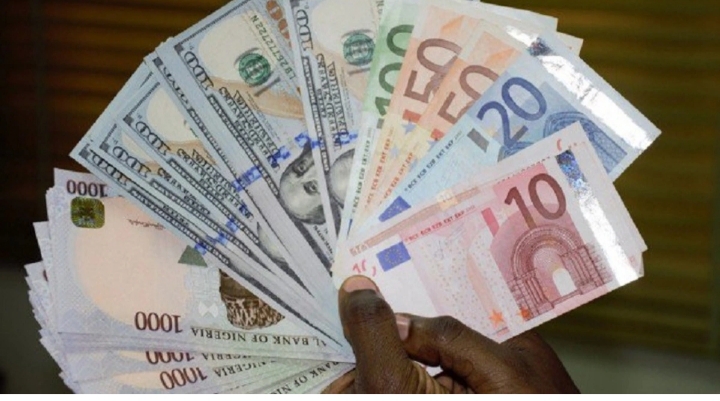
The naira weakened against the United States dollar at the official foreign exchange market on Wednesday, November 18, 2026, as dollar trading increased to $502.88 million.
Data published by the Central Bank of Nigeria (CBN) showed that the naira closed at N1,379.99/$, compared with N1,363/$ recorded in the previous trading session.
This represents a depreciation of N24.19, or about 1.78 per cent.
The decline happened despite increased trading activities in the foreign exchange market, as lower dollar inflows and slower growth in Nigeria’s external reserves continued to put pressure on the local currency.
Trading in the interbank foreign exchange market increased to $502.88 million across 148 transactions on Wednesday.
This was a 38.7 per cent increase from the $362.55 million recorded across 142 transactions on Tuesday.
The naira’s official closing rate also weakened from N1,355.80/$ on Tuesday to N1,363.23/$ on Wednesday.
During Wednesday’s trading, the currency reached an intraday rate of N1,380/$ before closing at N1,379.99/$.
Interbank turnover also increased from $68.66 million across 79 transactions on Monday to $502.88 million on Wednesday.
In total, the market recorded about $934.09 million in interbank transactions across 369 deals during the three trading sessions.
Meanwhile, the naira recorded a slight improvement in the parallel market.
Currency dealers quoted the dollar at an average of N1,439 on Wednesday, compared with N1,440 in the previous session.
Rates in the parallel market ranged between N1,435 and N1,445 per dollar.
This means the naira weakened in the official market but gained slightly against the dollar in the parallel market.
The naira’s latest decline comes amid a sharp reduction in the amount of foreign currency entering Nigeria.
A report by Coronation Merchant Bank’s research subsidiary showed that total foreign exchange inflows dropped to $807.6 million last week from $2.48 billion recorded in the previous week.
This represents a decline of about 67.4 per cent.
The $807.6 million recorded was the lowest weekly foreign exchange inflow in at least five weeks.
Analysts linked the naira’s weakness to the fall in dollar inflows and capital flight ahead of the elections.
The CBN has also been providing foreign exchange to support the market amid the pressure.
Although trading activities increased, the higher volume of transactions was not enough to prevent the naira from losing value.
Nigeria’s external reserves have also slowed in recent weeks after recording steady growth for several months.
Nairametrics had earlier reported that the country’s gross external reserves fell by $390.94 million in 16 days to $54.87 billion as of November 12, 2026.
The reserves had reached a high of $55.26 billion in October before the recent decline.
In October, reserves increased by only $295.35 million, representing the slowest monthly growth recorded so far this year.
However, Nigeria’s net external reserves reached a record $46 billion despite the slowdown in gross reserves.
The latest figures also showed that gross external reserves stood at $54.762 billion.
Meanwhile, the naira has continued to lose value against the dollar in November.
It weakened from N1,346.01/$ on November 2 to N1,350.45/$ on November 5. It later closed at N1,353.50/$ on November 10 before falling further to N1,379.99/$ on November 18.
Despite the recent decline, Nigeria’s gross external reserves remain higher than their level at the beginning of 2026, supported by earnings from crude oil exports.
However, the fall in weekly dollar inflows and slower growth in external reserves have increased concerns about the naira’s performance as the year approaches its end.