
2027: Showunmi writes NSA Ribadu, seeks actions against threats to national security
Adejoke Adeleye Ogun
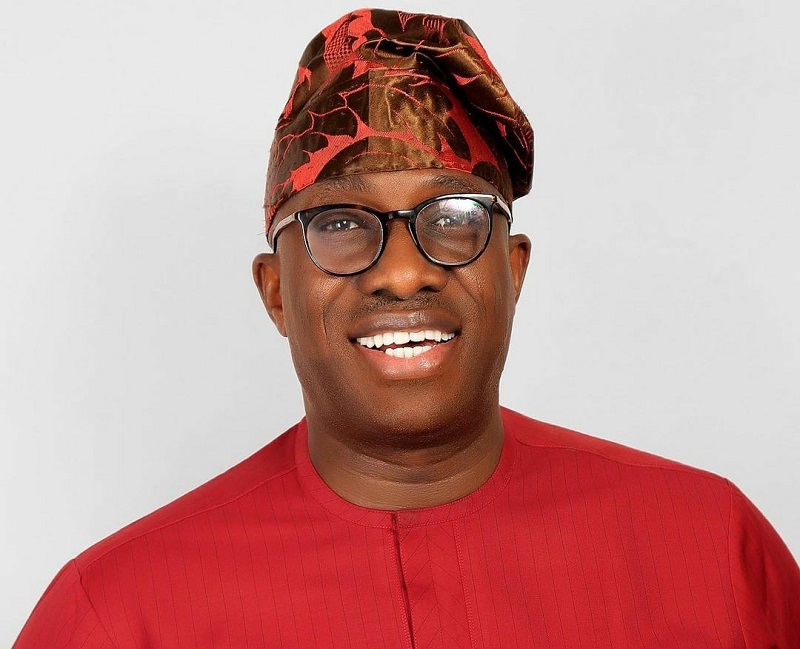
A chieftain of Alternative, Otunba Segun Showunmi has called on the National Security Adviser (NSA), Mallam Nuhu Ribadu, to establish clear boundaries for political conduct and ensure that individuals who threaten national security through inflammatory statements, incitement and intimidation are held accountable.
Showunmi made the call in an open letter addressed to Ribadu in which he expressed concern over what he described as the growing toxicity of political communication and reckless behaviour among politicians, their supporters and other influential individuals.
In the letter titled “On the Urgent Need to Establish Firm Boundaries for Political Conduct and Hold Those Who Threaten National Security Accountable,” Showunmi warned that political competition, personal ambition and partisan disagreements should not be allowed to undermine national stability.
He noted that Nigeria was already grappling with multiple security challenges, stressing that irresponsible political engagement could further worsen the country’s security situation.
According to him, there must be a clear distinction between legitimate political criticism and statements or actions capable of inciting violence, promoting ethnic and religious hostility or threatening public peace.
He expressed concern over the increasing normalisation of provocative statements, ethnic and religious insinuations, intimidation and the manipulation of sensitive national issues for political advantage.
Showunmi, therefore, urged the NSA to work with relevant security and law-enforcement agencies to establish and publicly communicate clear standards for political communication, particularly as the country approaches another competitive political period.
He outlined six measures requiring urgent attention, including establishing clear national boundaries for political communication, ensuring equal application of the law, developing a coordinated response mechanism against political misinformation and incitement, and holding political parties and their leadership structures accountable.
Other recommendations include establishing early-intervention protocols against credible threats and ensuring that accountability is independent of political status, influence or proximity to government.
Showunmi emphasised that the call was not intended to suppress opposition, silence critical voices or criminalise legitimate political disagreements, noting that dissent, criticism and peaceful protests remained essential components of democracy.
He, however, maintained that democratic freedoms should not be exploited to threaten the country’s existence, peace and security.
“National security cannot be held hostage to political ambition,” he declared, warning that no political position, financial influence or personal relationship should provide immunity against legitimate investigation and prosecution.
Showunmi further argued that the responsibility for national security should not rest solely on soldiers, policemen, intelligence officers and other security operatives, insisting that political actors also had a duty to protect the environment in which democracy thrives.
He urged the Federal Government and security institutions not to wait until inflammatory political rhetoric translates into violence before taking preventive action.
“The security of Nigeria is not a partisan project. It is a collective national responsibility,” he stated.
He concluded by urging the NSA to send a clear message that the law applies equally to all Nigerians, regardless of political affiliation or status.
The letter was also copied to President Bola Ahmed Tinubu, Minister of Defence, General Christopher Musa (retd.); Special Adviser to the President on Homeland Security, Major General Adeyinka A. Famadewa (retd.); Inspector-General of Police, Olatunji Disu; Director-General of the Department of State Services, Oluwatosin Ajayi; and Minister of State for Defence, Bello Matawalle.