
Congo Ebola outbreak spirals out of control as cases top 11,000
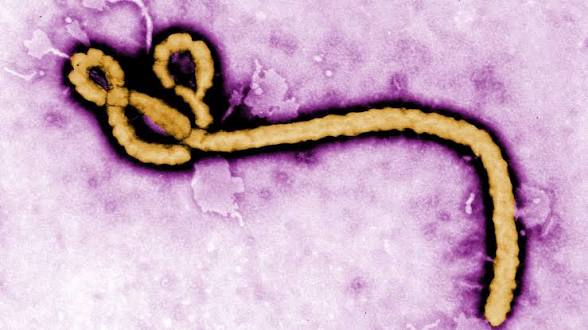
The Ebola epidemic ravaging the Democratic Republic of the Congo has continued to spread six months after its declaration, with confirmed infections exceeding 11,000 amid growing concerns over weaknesses in the containment effort.
International medical charity Médecins Sans Frontières (MSF) raised the alarm on Thursday, warning that transmission remains uncontrolled in several affected areas, with numerous infections going undetected and hospitals contributing to the spread of the virus.
The outbreak, which began in mid-May, is caused by the Bundibugyo strain of Ebola, a relatively rare variant for which there are currently no approved vaccines or treatments.
It has become the second-largest Ebola outbreak ever recorded, with health experts warning that the actual number of infections could be considerably higher than official figures.
MSF attributed the difficulties in containing the disease partly to inadequate resources reaching frontline health workers.
The organisation identified several operational problems, including unpaid and inadequately trained medical personnel, ambulances without fuel, shortages of surveillance teams and insufficient supplies for the safe management of suspected cases.
MSF’s international president, Javid Abdelmoneim, criticised the gap between the substantial funding committed to the response and the conditions confronting medical workers.
He said: “Despite the vast amounts of money provided for the response, many frontline responders are left trying to contain the outbreak with empty hands and empty pockets.”
He described the situation as unacceptable, urging the Congolese government and United Nations agencies, including the World Health Organisation, to ensure that resources allocated to the emergency reach communities and healthcare facilities.
Meanwhile, British epidemiologist Neil Ferguson warned that the scale of the epidemic could be significantly underestimated.
According to Ferguson, who has been modelling the outbreak, health authorities may be identifying only about half of all infections.
His team’s estimates suggest that between 2,000 and 3,000 people could currently be infected in Congo.
He warned that transmission could persist for another year, potentially making the epidemic larger than the 2014–2016 Ebola outbreak in West Africa, which recorded more than 28,600 infections and over 11,000 deaths.
The situation is particularly worrying in some healthcare facilities, where inadequate infection prevention measures have contributed to transmission.
In North Kivu, for instance, MSF reported that almost three-quarters of Ebola patients in the Beni health zone were believed to have contracted the infection in healthcare settings.
Community transmission has also remained a major concern, with a significant proportion of reported Ebola-related deaths occurring outside treatment centres.
The WHO has acknowledged difficulties affecting the response, including delays in paying health workers. It has also identified insecurity and attacks on medical facilities as major obstacles to controlling the epidemic.
Last week’s attack in Cantine-Aloya, North Kivu, reportedly killed 66 civilians, including three health workers.
The incident disrupted contact tracing, leaving more than 1,000 contacts unaccounted for and three confirmed Ebola patients missing.
The latest developments have intensified concerns that the epidemic could become increasingly difficult to contain without stronger international support and more effective deployment of resources.