
EDITORIAL: Flamingos’ historic triumph: Nigeria must turn victory into lasting investment in women’s football
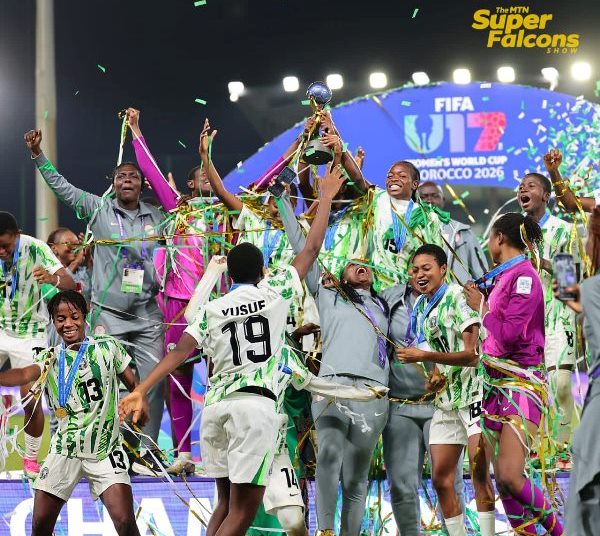
Nigeria has given Africa a reason to celebrate. The Flamingos, the country’s Under-17 women’s national football team, have made history by winning the FIFA U-17 Women’s World Cup in Morocco, becoming the first African nation to lift the trophy.
Their 2-1 victory over Japan in Saturday’s final in Rabat on November 7, 2026, was more than a football achievement. It was a statement that African girls can compete with the best in the world and emerge champions.
Goals from Awawu Bashiru in the 39th minute and Oluebube Umejiaku shortly after the restart secured the historic victory. Japan pulled one back through Fuki Ito in the 80th minute, but the Nigerian girls held their nerve to protect their advantage until the final whistle.
What makes the triumph even more remarkable is the team’s journey to the final. The Flamingos lost their opening match against Poland but refused to surrender. They recovered, defeated defending champions North Korea 3-1, overcame other opponents and eventually sent Brazil packing with a 3-1 victory in the semi-final. Against Japan, they completed a remarkable turnaround to become world champions.
This victory deserves every celebration it is receiving. For years, Nigeria has produced talented female footballers who have represented the country with distinction, yet the national women’s game has not always received the attention, investment and support it deserves.
The Flamingos have now shown that with proper preparation, determination, discipline and good coaching, Nigerian girls can reach the highest level of international football.
Their achievement should also change the way society views girls in sports. Football is not exclusively a man’s game. Young girls deserve the same encouragement, opportunities, facilities and support given to boys. Parents, schools, communities and government institutions must recognise that sporting talent has no gender.
However, Nigeria must not allow this historic victory to become another occasion for temporary celebrations followed by neglect. The real test begins now. What happens to these young champions after the excitement dies down? Will they receive the support needed to develop into senior national team players, or will their talents be lost through poor planning and inadequate investment?
This is where the Nigeria Football Federation, the National Sports Commission and the Federal Government must demonstrate commitment. The players need proper welfare, quality coaching, regular competitive football, modern training facilities and educational support. Their development should be carefully planned so that the transition from the Under-17 team to higher levels of football is not left to chance.
Nigeria must also invest in grassroots women’s football. Schools and communities should be encouraged to organise competitions, discover young talents and provide opportunities for girls who dream of becoming professional footballers. There should be a clear pathway from school football to academies, national youth teams and the senior national team.
The government should go beyond congratulatory statements and ensure that the victory produces lasting benefits for women’s sports. Corporate organisations and private investors should also be encouraged to support women’s football through sponsorships and development programmes.