
Forex Trading in South Africa: A Practical Guide for New Traders
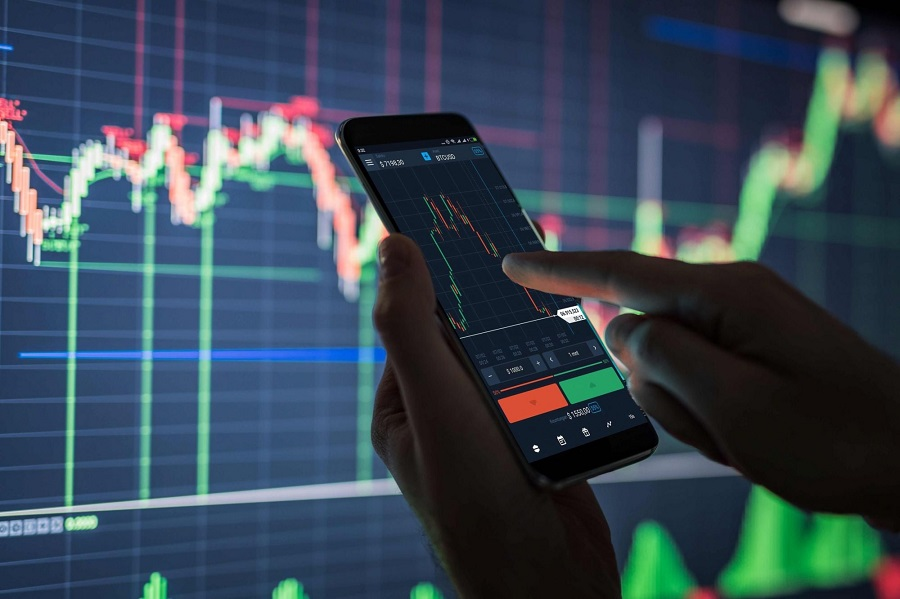
Over the past decade, currency trading has moved from a niche hobby to one of the most talked-about ways South Africans engage with global markets. Smartphones, faster internet and a growing number of online platforms have made it possible to open a trading account in minutes and follow the rand against the dollar from anywhere between Cape Town and Polokwane. But easy access does not mean easy profits. If you are thinking about getting started, it pays to understand how the market works locally, what the rules are, and which habits separate disciplined traders from those who burn through their first deposit.
Why Forex Is So Popular in South Africa
Several factors make the country one of the most active retail forex markets on the continent. First, the rand is one of the most liquid and widely traded emerging-market currencies, which means USD/ZAR, EUR/ZAR and GBP/ZAR often show strong daily movements. For traders, movement means opportunity — and risk.
Second, geography works in South Africa’s favour. The country sits in a time zone that lines up neatly with the busiest hours of the global market. The London session opens in the morning, South African time, and the overlap with New York runs through the afternoon. That means you can trade the most liquid hours of the day without staying up all night, which is a real advantage over traders in Asia or Australia.
Third, there is a strong culture of financial education online, with local communities, YouTube channels and trading groups discussing strategies in plain language. That has helped bring many first-time investors into the market.
Is Forex Trading Legal?
Yes. Retail forex and CFD trading is legal for South African residents. Brokers that serve local clients are supervised by the Financial Sector Conduct Authority (FSCA), which licenses providers of over-the-counter derivatives and sets rules on conduct, capital and client treatment. Before you open an account anywhere, check whether the company holds an FSCA licence by searching its name or licence number on the regulator’s public register.
Regulation does not guarantee profits, and it does not protect you from losing money on bad trades. What it does is give you a legal framework and a route to complain if a provider behaves unfairly. Platforms that are licensed only offshore, or not licensed at all, may still accept South African clients, but you will have far less recourse if something goes wrong. The FSCA regularly publishes warnings about unauthorised firms, so it is worth reading these before you sign up.
Two more rules matter. Profits from trading are taxable, and SARS will treat them either as income or as capital gains depending on how often and how actively you trade. Keep records of every deposit, withdrawal and closed position. In addition, moving money abroad is subject to exchange-control limits set by the South African Reserve Bank, so large transfers to foreign accounts may require extra paperwork.
How to Get Started Step by Step
- Learn the basics first. Understand what a currency pair is, how pips and lot sizes work, and what leverage actually does to your account. Leverage multiplies gains, but it multiplies losses at exactly the same rate.
- Choose a platform carefully. Compare spreads, fees, deposit methods in rand, withdrawal times and customer support. Read independent reviews, not just marketing pages. For a broader overview of local conditions, popular pairs and trading hours, this guide on forex trading sa is a useful starting point for beginners comparing their options.
- Practise on a demo account. Almost every platform offers a free demo with virtual funds. Use it for several weeks. If you cannot stay profitable with fake money, real money will not make it easier.
- Start small. When you move to a live account, deposit only an amount you can afford to lose entirely. Many experienced traders recommend risking no more than 1–2% of your balance on a single trade.
- Keep a trading journal. Write down why you entered each trade, where your stop-loss was, and how it ended. Over time, the journal shows patterns in your decision-making that charts alone never will.
What Moves the Rand
Local traders quickly learn that the rand reacts strongly to both domestic and global news. Interest-rate decisions by the SARB, inflation data, electricity supply, mining output and political developments can all move the currency. Globally, US Federal Reserve announcements and shifts in risk appetite often cause sharp swings, because investors tend to sell emerging-market currencies when markets become nervous. Commodity prices — especially gold and platinum — also play a role. Following an economic calendar and avoiding large positions just before major releases is a simple habit that saves many beginners from painful surprises.
Common Mistakes to Avoid
- Over-leveraging. High leverage is the fastest way to empty an account.
- Trading without a stop-loss. Hoping a losing trade will turn around is not a strategy.
- Chasing “signals” and get-rich-quick schemes. Social media is full of people selling guaranteed returns. No legitimate trader can promise them.
- Revenge trading. After a loss, step away instead of trying to win it back immediately.
- Ignoring costs. Spreads, swaps and withdrawal fees add up, especially for frequent traders.
Final Thoughts
Forex trading offers South Africans a direct way to participate in the world’s largest financial market, and the country’s time zone, liquid currency and active trading community make it an attractive place to learn. Success, however, comes from patience, risk management and continuous education rather than luck. Check the regulatory status of any provider, practise before risking real money, keep your tax records in order and treat trading as a skill to develop over time. Most retail traders lose money, so go in with realistic expectations — and with a plan.
This article is for informational purposes only and does not constitute financial advice. Trading leveraged products carries a high level of risk.