
Motoring: Manufacturers produce tiny cars with peculiar featu
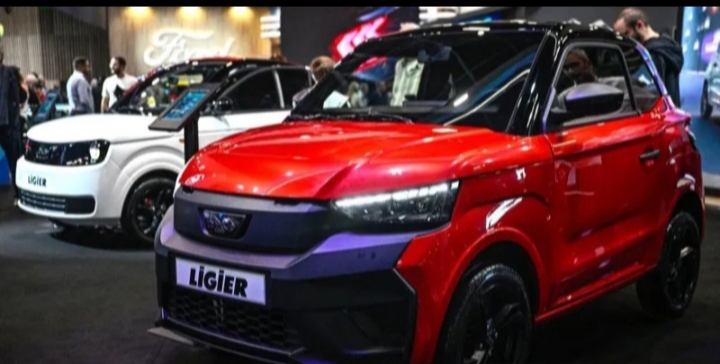
Tiny cars are becoming increasingly popular across Europe, with manufacturers targeting teenagers and young people who want personal transportation without having to obtain a conventional driving licence.
The small vehicles, classified as motorised quadricycles, are designed to provide an alternative to scooters and mopeds, particularly for teenagers who are too young to drive regular cars.
The trend is gaining attention in countries such as France, Italy, Germany, Spain and the United Kingdom, where young people can legally drive certain categories of tiny cars from the ages of 14 to 16, depending on the country’s regulations.
One of the most popular models is the electric Citroën Ami, launched in 2020. Its introduction has helped transform the market and attract younger customers.
In France, teenagers now account for about a quarter of all mini-car sales, while young people make up 40 per cent of Ligier’s customers.
The growing interest in tiny cars has also been reflected in sales figures. Across Europe, sales have doubled from about 30,000 to 60,000 in the past five years.
In France alone, registrations increased from approximately 13,000 in 2019 to 25,000 last year.
Manufacturers are increasingly investing in the sector, with electric models accounting for more than 67 per cent of new licence-free car sales in 2026.
Industry experts say stricter European Union regulations on motorised two-wheelers have also contributed to the trend, as some manufacturers have shifted attention from scooters and mopeds to small cars.
However, the vehicles have limitations, including a maximum speed of 45 kilometres per hour, just two seats and restrictions against using motorways.
Despite these limitations, manufacturers believe tiny cars are becoming a preferred option for teenagers because they offer better protection from weather conditions and road exposure than motorcycles and scooters.
The growing popularity of the vehicles could eventually attract attention beyond Europe, including African countries such as Nigeria, where affordable transportation and mobility options for young people remain important issues.
Although there is no indication yet that the European trend is about to enter the Nigerian market, the concept could generate interest if manufacturers explore opportunities in Africa and local regulations permit their use.
For now, Europe is leading the growing market, with tiny cars increasingly being presented not just as vehicles for older people or those without conventional driving licences, but as a new mobility option for teenagers seeking independence.