
Nigeria records 113 CNG stations, 415 conversion centres
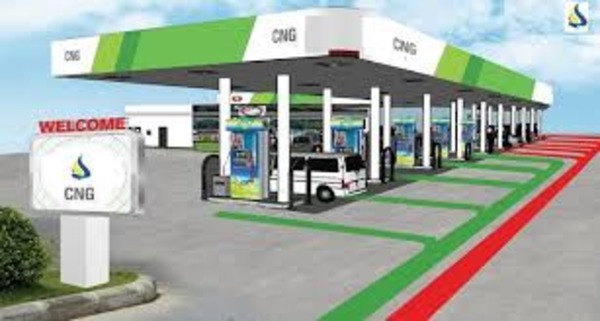
The Presidential Compressed Natural Gas Initiative (PCNGI) disclosed this during the CNG and Electric Vehicle (EV) Regional Town Hall and Stakeholders Dialogue held in Abuja.
The figures were presented by Tare Mayor Bright, Gas Supply Integration Initiative representative, during a presentation titled “PI-CNG Journey”.
According to the presentation, the South West has the highest number of CNG stations with 41, followed by North Central with 33.
The South South has 17 stations, North West 15, North East four, while the South East has three. The Federal Capital Territory (FCT) accounts for 25 of the stations.
The presentation also showed that investment in the initiative increased to $2.6 billion in 2026 from the initial $500 million in 2023.
Speaking at the event, PCNGI Executive Chairman, Ismael Ahmed, said the initiative was aware of concerns surrounding the cost of vehicle conversion, access to refuelling stations, safety, transport fares, gas supply and charging facilities for electric vehicles.
He said the meeting was organised to hear directly from Nigerians about the challenges they face and identify areas that require improvement.
Ahmed added that the initiative was working to expand infrastructure, improve coordination and encourage more private sector investment.
During the question and answer session, participants raised concerns about why CNG-powered buses charge similar fares to petrol-powered vehicles despite the lower cost of gas.
It was also observed that some passengers prefer petrol-powered buses because they take less time to load, while CNG buses often spend longer picking up passengers.Responding, Ahmed said CNG drivers complained that they sometimes spend several hours waiting in queues to buy gas at refuelling stations.
He explained that the initiative was working with state governments to address transport fares.
According to him, state governments have the authority to regulate fares because they are responsible for mass transportation.
He said the government preferred a market-based approach rather than strict price control.
Ahmed also disclosed that the PCNGI was working with the Federal Road Safety Corps (FRSC) to introduce special identification plates for CNG-powered vehicles.
He said the plates would help authorities identify the vehicles and monitor their fares.
Ahmed added that the initiative expected the cost of transportation to reduce naturally as more CNG stations become available and gas supply improves.