
Presidential candidate calls for US intervention over Kebbi attacks, IDP crisis
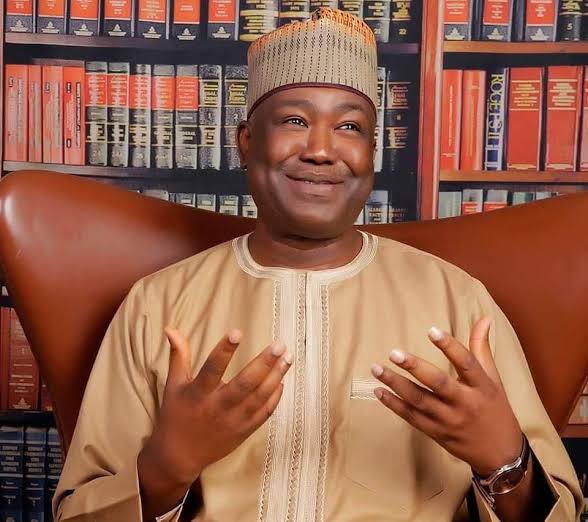
Accord Party presidential candidate, Gbenga Olawepo-Hashim, has called for US intervention over the alleged burning of 11 villages in Shanga Local Government Area of Kebbi State and the displacement of millions of Nigerians.
Hashim made the appeal on Friday during an engagement with the United States Commission on International Religious Freedom, where he raised concerns over religious persecution, ethnic discrimination, insecurity and human rights violations in Nigeria.
He said communities including Kalkami, Tungar Bori and Kawara were attacked in April 2026, with suspected bandits reportedly killing residents, destroying buildings and forcing families to flee their homes.
He called the international community attention on the affected communities and begged them not overlook victims of insecurity in northern Nigeria.
He acknowledged persecution of Christians and also listed Shia Muslims, minority Islamic sects and Hausa Muslim communities among groups he said face discrimination, exclusion and persecution, adding that ethnic identity and cultural affiliation also shape how some communities are treated, even within the same faith.
Hashim also condemned the continued detention of Hausa cultural activist, Bishiia Maisango, whom he described as unlawfully held without trial.
He alleged that Maisango had been dismissed from his employment with the Department of State Services but remained in detention, and demanded his immediate release.
He stressed the need for respect for fundamental human rights, due process and constitutional protections, regardless of ethnic, cultural or religious affiliation.
On displacement, Hashim cited UNHCR figures as of October 2026 putting Nigeria’s internally displaced population at about 3.68 million.
He said the crisis cuts across religious and ethnic lines and argued that displaced Hausa communities and other vulnerable populations deserve the same international attention as Christians affected by violence.
He further claimed that some armed groups in parts of the North are not primarily motivated by religious conversion, but by killing residents, destroying settlements and taking control of territories.
Hashim criticised the Federal Government for what he described as failure to adequately protect citizens and decisively confront armed groups behind killings, displacement and destruction of communities.
He warned against allowing the country’s security and religious freedom situation to worsen further ahead of another political transition, and accused the administration of failing to ensure accountability, alleging that political interests have weakened its response to terrorism and armed violence.
Hashim said international scrutiny must recognise all victims of religious and ethnic persecution, not only one religious community.
He called for a comprehensive approach covering Christians, Shia Muslims, Hausa communities and other vulnerable populations, while holding state institutions accountable for protecting citizens’ constitutional rights.
He commended the commission for its work on religious freedom in Nigeria and acknowledged the interest of US President Donald Trump in the issue.
“Religious freedom is an intrinsic part of democratic rights,” he said, adding that protecting religious liberty must remain a fundamental responsibility of democratic governments.