
Stakeholders demand stronger institutions to fix Nigeria’s justice system
By Blessing Tanko/Ebere Agozie
Stakeholders on Monday called for stronger institutional collaboration, sustained policy reforms and improved judicial preparedness to address emerging challenges confronting Nigeria’s criminal justice system.
They made the call at the 8th Annual Criminal Law Review Conference organised by the Rule of Law Development Foundation (ROLDF) in Abuja.
The News Agency of Nigeria (NAN) reports that the five-day conference has the theme: “The Future of the Nigerian Criminal Justice System: Institutional Synergy, Policy Reforms and Judicial Readiness.”
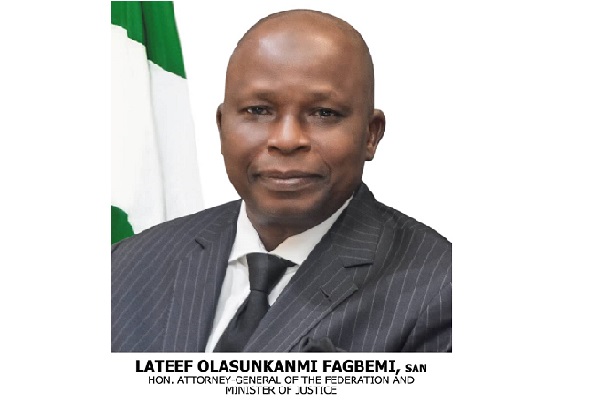
Speaking at the event, the Minister of Justice, Lateef Fagbemi, SAN, identified delays in criminal proceedings, inadequate investigations and prolonged pretrial detention as persistent challenges requiring practical solutions.
“The effectiveness of any criminal justice system depends on the quality of investigations, diligent prosecution, efficient courts and the capacity of correctional institutions.
“Hence, closer cooperation between investigators and prosecutors, particularly in complex cases, will help identify evidential gaps, improve case preparation and reduce avoidable delays.”
Fagbemi stressed that such cooperation must respect the constitutional and statutory responsibilities of the institutions without compromising judicial independence or prosecutorial discretion.
He added that the administration of criminal justice remained one of the most important responsibilities of the state.
“It is through the criminal justice system that society seeks to hold offenders accountable, protect the innocent, safeguard individual rights and maintain public confidence in the rule of law.
“However, in spite of the progress recorded over the years, our system continues to grapple with familiar challenges, especially insufficient coordination among criminal justice institutions.
“These challenges are neither new nor peculiar to Nigeria. What matters is our willingness to confront them with practical and sustainable solutions.”
He commended the founder and coordinator of the foundation, Chief Joseph Bodunrin Daudu, SAN, for sustaining the annual conference as a platform for engagement among criminal justice stakeholders.
Similarly, the President of the Nigerian Bar Association (NBA), Mrs Oyinkansola Badejo-Okunsanya, SAN, drew attention to the human experiences and challenges confronting those who interact with the justice system.
She urged stakeholders to adopt actionable recommendations with clear implementation timelines, noting that the concerns ranged from victims seeking closure and defendants demanding fair hearings to the large number of inmates awaiting trial.
She also highlighted the challenges facing inmates awaiting trial in Nigerian correctional centres.
“Approximately 65 per cent of those in custody are awaiting trial. There are 53,670 awaiting-trial inmates out of a total custodial population of 82,195.”
On judicial readiness, she said a judge’s preparedness could not compensate for poorly conducted investigations, the absence of witnesses, incomplete prosecution files or defendants lacking competent legal representation.
She noted that victims, defendants and persons in custody viewed the justice system through deeply personal questions of fairness and dignity.
Badejo-Okunsanya commended the foundation for its commitment to bridging the gap between legal principles and institutional practice.
Earlier, the ROLDF Coordinator, JB Daudu, in his welcome address, said the conference was designed to provide an annual platform for reviewing developments, particularly emerging issues in criminal justice administration.
“The discussions will address crime apprehension, crime prosecution, crime adjudication, and the important activities of the post-adjudicatory processes and institutions of the criminal justice system, such as the Correctional Centres and Borstals.
“The foundation routinely considers the state of the existing laws governing the powers and functions of all relevant criminal justice institutions, such as the Nigerian Police and all other law enforcement agencies operating in Nigeria.
“It equally considers the law courts with criminal jurisdiction, the applicable criminal procedure and sentencing legislations, and the role, state and efficacy of the correctional centres.”
Daudu acknowledged the difficult conditions under which courts performed their demanding duties annually.
( NAN)