
NAPTIP calls for coordinated media response to SGBV
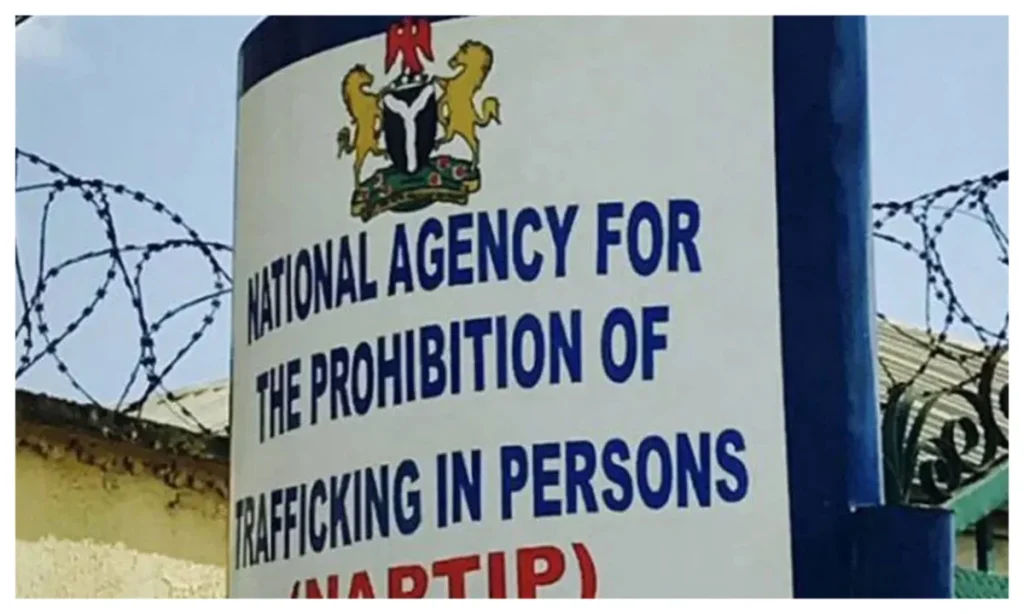
The National Agency for the Prohibition of Trafficking in Persons (NAPTIP) has advocated a more coordinated media response to sexual and gender-based violence (SGBV), with greater attention to survivor protection, public awareness and access to justice.
This was disclosed by NAPTIP Director-General, Hajia Binta Bello, during a mentoring and engagement session with members of the Benue End Sexual and Gender-Based Violence (ESGBV) Media Corps.
Bello, who was represented by NAPTIP’s National Public Relations Officer, Vincent Adekoye, commended members of the Media Corps for their efforts to draw public attention to SGBV and human trafficking, urging them to sustain the campaign and expand its reach.
She said the media had an important role to play in ensuring that cases of SGBV received responsible coverage while giving greater visibility to the experiences and rights of survivors.
According to her, the Media Corps initiative was designed to strengthen media attention to SGBV, amplify survivors’ voices, improve coordination among stakeholders and contribute to efforts to secure justice for victims.
Adekoye, speaking on behalf of the DG, called for stronger collaboration and information-sharing between journalists and institutions involved in the prevention of and response to SGBV.
He also cautioned that inadequate public attention to sexual and gender-based violence could leave victims vulnerable and create opportunities for perpetrators to continue their activities.
The NAPTIP Benue Zonal Commander, Mrs Hembadoon Theresa Kuma, said the agency valued the contribution of the media to its efforts to educate the public on SGBV and human trafficking.
Kuma said the prevalence of SGBV remained a concern, particularly across Zones A and B of Benue, making sustained public education and community-level intervention necessary.
She disclosed that the command had produced awareness jingles in English, Tiv and Idoma, while efforts were ongoing to develop materials in additional local languages.
She said the multilingual approach was intended to extend awareness activities beyond urban centres to rural communities, markets and other locations where members of the public could be reached directly.
The ESGBV State Coordinator, International IDEA, Dr Gloria Iveren Bai, also urged stakeholders to maintain collective efforts against SGBV, citing its effects on individuals, families and communities.
Bai described the Media Corps as an important platform for sustaining public attention to the issue and encouraged members to continue reporting cases and interventions in ways that promote awareness and support for survivors.
On his part, the consultant to International IDEA, Dr Tim Aniebonam, said the Makurdi meeting was convened to review the implementation of the Media Corps’ action plans, examine challenges and identify practical steps for improving their work.
Aniebonam said the mentoring session was intended to promote learning and improvement rather than to find fault with members.
He stressed the importance of stronger advocacy and public awareness while urging participating journalists to adhere to professional reporting standards and meet timelines for programme activities.
The session also provided members with an opportunity to present updates on their respective action plans, examine areas where implementation had fallen short and consider ways of improving coordination among members and other stakeholders.
The Governor of the Benue ESGBV Media Corps, Ms Elizabeth Achagh, and her deputy, Elder Joseph Kwaghdega, pledged to strengthen the group’s activities, particularly advocacy visits to relevant institutions and professional reporting of SGBV cases.
They said the Media Corps would continue to use its platforms to promote awareness, highlight the concerns of survivors and support efforts aimed at ensuring that victims receive appropriate attention and justice.
The meeting was attended by stakeholders involved in the campaign against sexual and gender-based violence and formed part of efforts to sustain a coordinated media response to the problem in Benue.